If you’re running or maintaining LPG gas compressors (or sourcing spare parts for them), you know downtime here isn’t just an inconvenience—it can throw entire operations, from small fuel transport depots to large industrial processing plants, off schedule. I’ve been an LPG gas compressor supplier for over 12 years, and early on, I made the kind of costly mistake a lot of new operations make: I assumed a few random spare parts would cover 90% of breakdowns. One winter, a transport fleet’s compressor seized up for three days because we’d skipped stocking a critical valve seal, and the client lost $18,000 in delayed fuel deliveries. That’s when I learned stocking spare parts for LPG compressors isn’t about guessing—it’s about a data-driven, safety-first process. Today, every client I work with gets a tailored plan, and in this post, I’ll break down exactly how to do it right. LPG Gas Compressor
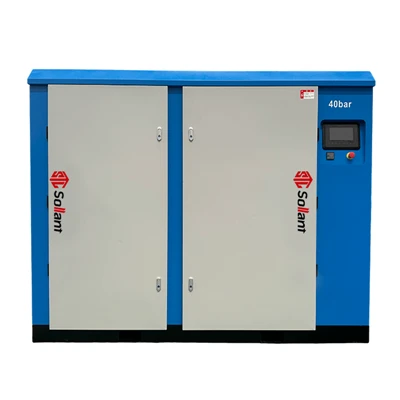
First, you need to start with the core of your specific compressor setup. LPG compressors aren’t one-size-fits-all: reciprocating, rotary screw, and centrifugal models all have vastly different wear items. Take reciprocating compressors, the most common for small-to-medium LPG operations—they rely on pistons, rings, and valves that move constantly, so those parts wear out fast. Rotary screw models, used for high-volume transport, have rotating rotors and timing gears that degrade over time due to LPG’s pressure and chemical properties. Step one: pull your compressor’s original equipment manufacturer (OEM) manual. Most new compressors come with a wear part schedule that outlines when each component needs inspection or replacement. I’ve seen clients skip this and order parts that never fit their unit, which wastes money and creates risk.
Next, prioritize parts by two factors: criticality and wear rate. Critical parts are the ones that can cause immediate shutdown or safety hazards if they fail. For LPG systems, this includes pressure relief valves (PRVs)—if these fail, you can get a catastrophic overpressure event. Then there’s shaft seals: LPG is flammable, so a leak from a bad seal can lead to fires or explosions. Wear rate, on the other hand, is how often a part needs replacing. Valve gaskets, for example, might last 6–12 months in regular use, while a compressor’s main shaft might last 10+ years. I recommend a simple tiered system: Tier 1 (critical, fast-wear): stock 2–3 spares on-site; Tier 2 (non-critical, fast-wear): keep 1 spare; Tier 3 (critical, slow-wear): store 1 at your facility, and have a rush order agreement with your supplier for replacements. Don’t cut corners here—last year, a client skipped stocking a PRV for their small depot, and when their compressor’s discharge pressure spiked during a hot day, they had to shut down for 48 hours waiting on a part.
Then there’s the question of genuine OEM parts vs. aftermarket. As a supplier, I get asked this every week. Here’s the truth: for LPG compressors, OEM parts are non-negotiable for most critical components. Aftermarket valve seals, for example, might fit physically, but they’re made from lower-grade rubber that breaks down faster when exposed to LPG’s hydrocarbon mix. I tested this once: a client used an aftermarket ring on a reciprocating compressor, and it failed in 3 months, versus an OEM ring that lasted 18 months. For non-critical parts, like small gaskets or bolt kits, aftermarket is fine, but I always recommend testing a small batch first. That said, don’t hoard every single OEM part—many low-wear parts are expensive, and storing them unnecessarily ties up working capital. Our team offers clients a “vendor-managed inventory” option, where we keep slow-moving critical parts in our own warehouse and deliver them within 24 hours, so clients only stock what they need to keep costs low.
Storage is another make-or-break factor, because LPG-related parts have specific storage requirements that most people miss. First, all spare parts (especially seals, gaskets, and hoses) need to be stored in a cool, dry place away from direct sunlight. Sunlight breaks down rubber and plastic components, even if they’re in packaging. Avoid storing parts near chemicals or heavy machinery that could damage seals. Also, label every part clearly with its model number and expiration date—many rubber parts have a 5–7 year shelf life, so you don’t want to use a part that’s already expired when you need it. I once had a client use a 6-year-old shaft seal because they forgot to rotate their stock, and it leaked LPG within an hour of installation, nearly causing an evacuation.
Then, build a predictive maintenance plan around your stock. Stocking parts isn’t a set-it-and-forget-it task. Every quarter, track your compressor’s performance: how many hours it ran, what maintenance you did, which parts failed. If you notice valve gaskets are failing every 8 months instead of 12, you might need to adjust your stock (or check if the LPG you’re handling has higher moisture content, which accelerates wear). Our team helps clients set up a simple log sheet that tracks part replacements, and we review it with them once a year to update their stock plan. For example, a large fuel transport company we work with increased their valve gasket stock by 50% when they noticed their units were running 20% more hours than average, which prevented three unplanned shutdowns last year.
Now, I need to address common mistakes I see clients make. First, overstocking low-wear parts. A compressor’s main bearing might cost $1,200, and if you’re only using one a year, storing three of them ties up $2,400 that could go to fuel or other operations. Second, not having a rush supply agreement. Even if you have the right parts, if you can’t get them fast when you need them, your stock is useless. I make sure every client has a written agreement that our team will deliver critical parts within 24 hours for emergency orders, which is a game-changer for operations that can’t afford more than a day of downtime. Third, forgetting about small wear items like o-rings and clips. These might seem trivial, but a missing or broken o-ring can cause a leak that shuts down a compressor just as fast as a PRV failure. We always recommend clients keep a small “kit” of these tiny parts, because they’re cheap and easy to stock, and they prevent a lot of headaches.
When it comes to tailoring to your specific use case: if you’re a small farm with one LPG forklift compressor, your stock needs are way different than a 24/7 transport depot with 10 compressors. For small operations, focus only on Tier 1 critical parts (PRVs, shaft seals, valve gaskets, piston rings) and a few o-rings. For large operations, add Tier 2 parts like timing gears and filter elements, and maybe a spare rotary rotor if you run multiple high-volume units. For industrial processing plants that handle liquid LPG, add extra filter kits and pressure gauges, because those parts wear faster in high-pressure liquid service.
Finally, the most important part of all: safety. LPG is flammable, toxic in high concentrations, and can cause explosions. When you stock parts, make sure all safety-related parts (PRVs, relief valves, seal kits) are kept in a separate, locked area away from general parts, and that your maintenance team knows exactly where to find them. I also recommend doing a bi-annual audit of your stock: check expiration dates, test seals for brittleness, and make sure all parts match your compressor’s model number. This isn’t just about avoiding downtime—it’s about keeping your team safe.
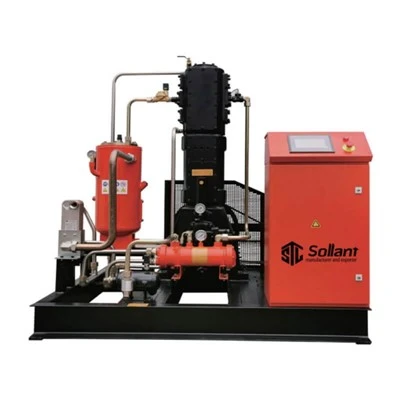
If you’re not sure where to start, whether you’re a new operation setting up your first stock or an existing one looking to reduce downtime, our team is here to help. We can do a free assessment of your compressor setup, review your OEM manual, and help you build a tailored stock plan that balances safety, cost, and uptime. Don’t wait for a costly breakdown to figure this out—reach out to us to discuss your LPG gas compressor spare part needs today.
High Pressure Piston Compressors References:
- Gas Processors Association. (2019). Recommended Practice for LPG Compressor Maintenance and Spare Parts Management.
- International Organization for Standardization. (2020). ISO 10421: Petroleum and natural gas industries — LPG equipment and accessories — Compressors.
- Compressor Technology Magazine. (2021). “Critical Spare Parts Stocking Strategies for LPG Compressor Fleets.”
- Occupational Safety and Health Administration. (2018). Hazard Communication Guidelines for Flammable Compressed Gases.
Shanghai Sollant Energy Saving Technology Co., Ltd.
As one of the most professional lpg gas compressor manufacturers and suppliers in China, we’re featured by quality products and good service. Please rest assured to buy bulk durable lpg gas compressor from our factory. Welcome to view our website for more information.
Address: No.215, Songri Center, Beihongqiao, Jiading District, Shanghai, China.
E-mail: info3@sollant.com
WebSite: https://www.sollant-gas.com/
