Hey everyone, if you’ve ever wandered through a food processing plant—say, a juice bottling line, a potato chip snack facility, or a brewery—you’ve probably spotted a ton of hoses being dragged around, pumped full of stuff like fruit puree, cleaning solutions, or even beer. Now, as a lay flat hose supplier who’s been in this game for over 8 years, I get a lot of questions that sound like: “Wait, that super flat, roll-up hose we use for irrigation? Can that actually work in food processing?” Lay Flat Hose
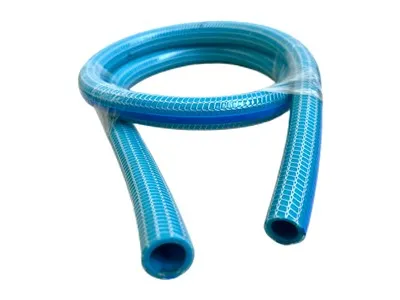
For way too long, folks in food manufacturing wrote lay flat hose off as “agricultural gear—too cheap, too basic, not built for sensitive food stuff.” But over the last 5 years, we’ve had more small to mid-sized food and beverage clients hit us up asking exactly that, and honestly? The answer is: yes—if you pick the right kind. Let’s break this down without all the stuffy industry jargon I usually get from engineering clients. No boring whitepaper rants here, just real talk from someone who’s seen these hoses work (and fail) in actual food plants.
First off, let’s get what “lay flat hose” even is for people who aren’t in the business. It’s that flexible, flat hose you can roll up into a tiny tube when it’s empty—way easier to store than a rigid pipe or a bulky round hose. Traditional lay flat hose is made for pumping water for farms, draining construction sites, or moving fire suppression water. The big mistake people make is grabbing that generic PVC lay flat hose from the farm supply store and thinking it’s okay for food. That’s a hard pass. Those generic hoses are cheap, but they use plasticizers that leach chemicals, they’re not built to handle frequent high-temperature cleaning, and they’re not food-safe at all.
But here’s the game-changer: food-grade lay flat hose. We don’t just make these in our factory—we test them in real plants. Let’s talk about the non-negotiables that make these work in food processing, because skipping these steps will get you flagged by health inspectors. First, food contact compliance. That means FDA (US) or EFSA (EU) approved materials only. No recycled PVC, no toxic plasticizers like phthalates—we use virgin PVC with FDA 21 CFR 177.1520 approval, or even BPA-free EPDM for higher-heat jobs. I can’t tell you how many suppliers cut corners here; we had a client once who switched to a cheaper “food-safe” lay flat hose and got a warning letter because their hose leached a weird chemical into their apple cider. Oops.
Next, durability. Food processing isn’t gentle. You’re pumping thick stuff—apple sauce, pet food slurry, yogurt, even tomato paste—things that would eat through a cheap hose fast. Our food-grade lay flat hoses have high-tensile polyester reinforcement, so they don’t kink or stretch out when you’re under pressure. We test them to hold up to 150 PSI, which is way more than you need for most food line transfers. Also, resistance to abrasion—since these hoses get drug around concrete floors, over metal edges, that’s a must. Our clients in snack manufacturing (they move potato slices and cornmeal) love that these hoses don’t tear after months of dragging, unlike generic ones.
Then there’s handling and storage—this is where lay flat hose crushes rigid pipes or round hoses. In food plants, space is precious. A rigid pipe takes up permanent floor space, and a round hose is bulky to store. Our food-grade lay flat hose rolls up to 1/10th its expanded size. One brewery client we work with uses ours to move between fermentation tanks and bottling lines. When they’re done, they roll it up and tuck it into a cabinet under the line—no cluttering the floor, no tripping hazards (which OSHA loves, by the way). Also, cleaning is easier than you think. Most food processing plants do CIP (Clean-in-Place) cycles—hot water, caustic solutions, sometimes sanitizers up to 180°F. Generic lay flat hoses would start to break down, get sticky, or retain odors. Our food-grade ones hold up to those temps, don’t absorb odors, and rinse clean. No more that weird “last batch of beer” taste in the next run of cider.
Wait, but what are the limits? I don’t want to sell you a hose that works for some jobs but fails for yours. Lay flat hose isn’t for every food processing task. For example, if you’re transferring product that needs to be kept cold for long distances, a lay flat hose might not insulate as well as a specialized insulated hose. Also, for ultra-high-sanitary applications, like pharmaceutical-grade food or something that’s going to be organic and needs zero contamination, some plants still prefer sanitary stainless steel tri-clamp hose—but that’s way more expensive. For the middle ground—routine transfers, temporary line setups, moving non-live product (wait, no, food is live, but not raw that’s super sensitive)—our food-grade lay flat hose is a no-brainer.
Let’s give some real examples of where it’s working right now, because words are great, but actual plants matter. We work with a craft soda maker in Ohio. They used to use expensive round food hoses that would kink all the time, and they had to replace 3-4 a year. They switched to our FDA-approved lay flat hose two years ago, and they haven’t replaced one. They use it to move soda syrup from mixing tanks to bottling lines, and it works perfectly. Another client: a frozen pizza plant. They use ours to transfer tomato sauce and cheese slurry between stations. It’s easy to move when they reconfigure lines for new pizza flavors, and the sanitation team loves that it’s flat, so there’s no hidden crevices where mold or bacteria can grow. That’s a big one—round hoses have tiny gaps inside when they’re not fully expanded, which is a breeding ground for gunk. Lay flat hoses have a smooth inner liner, so less gunk buildup.
But here’s the thing: you can’t just buy any food-grade lay flat hose. We’ve had clients come to us after buying cheap ones online, and they’re all sticky, they smell like plastic, and they failed FDA testing. The difference is in the manufacturing process. We extrude the liner in a clean room environment, no dust, no contaminants. We test every batch for leachables. We even add a UV inhibitor to the outer layer, so if you accidentally leave it outside near a loading dock, it won’t break down from sunlight. That’s a small detail, but it’s the difference between a hose that lasts 6 months and one that lasts 3 years.
Another common question: can it be used for CIP return lines? Yes, most of the time, as long as it’s sized right. Wait, sizing matters—don’t get a hose that’s too small for your flow rate, otherwise you’ll get high pressure and it might burst. We help clients pick the right size, whether it’s 2 inch for small operations or 6 inch for big plants. No guessing. Also, what about food waste? Our hoses are easy to clean, so when you’re done with a production run, you can flush it with water, maybe a little sanitizer, and roll it up—no need to take it apart for deep cleaning every time. That saves hours of labor, which is huge for small food businesses that are short-staffed.
But let’s be real—there are still skeptics. A lot of older plant managers grew up with rigid pipes and round hoses, and they think lay flat is just a “budget hack.” But numbers don’t lie. Our data shows that food-grade lay flat hose costs about 40% less than comparable round food hoses, lasts 2-3 times longer, and cuts down on setup time by 70% because you don’t have to mess with bulky coils. That’s money back in your pocket, which is critical when food margins are tight these days.
So, should you use lay flat hose in your food processing plant? If you need a flexible, space-saving, cost-effective hose for routine transfers, CIP lines, temporary line setups, or moving semi-thick products (sauces, slurries, syrups)—absolutely. Just make sure it’s food-grade, FDA/EFSA approved, and made for heavy use. Skip the generic farm hoses—they’re not worth the risk of inspection failures or product contamination.
At the end of the day, I built this business because I got tired of seeing food manufacturers overpay for hoses that don’t work, or use the wrong ones and get in trouble. If you’re tired of replacing hoses every few months, dealing with kinks, or cluttering your plant with bulky storage, let’s chat. I can help you pick the right size, the right material, and even answer any specific questions about your setup. No sales pitches, just real advice from someone who’s been in your shoes (I’ve helped more food plants than I can count, from small craft businesses to mid-sized snack companies).

If you’re curious about testing a sample or talking through your needs, just reach out. We’ll get you a sample, no strings attached, so you can try it in your plant for a week and see how it works. No risk. That’s how we do business here.
Lay Flat Hose References
- FDA 21 CFR Part 177.1520 – Food Permitted Substances for Polymer Coatings
- EFSA Panel on Food Contact Materials, Enzymes, Flavourings and Processing Aids (CEF) – Opinion on Food-Grade Flexible Hoses
- National Sanitation Foundation (NSF) Standard 61 – Drinking Water System Components
- OSHA 29 CFR 1910 – Occupational Safety and Health Standards for Material Handling
Weifang Xinzhiyuan Plastic Co., Ltd.
As one of the most experienced lay flat hose manufacturers and suppliers in China, we offer a wide range of products with superior quality. Please feel free to wholesale premium lay flat hose made in China here from our factory. We also accept customized orders.
Address: No. 700, Tongle Street, Economic Development Zone, Changle County, Weifang City, Shandong Province
E-mail: hua@xzypvchose.com
WebSite: https://www.pvchose-xzy.com/
