When I first started working as a woody perfume supplier, I thought the “base notes” in fragrances were just the stuff that lingered longest on your skin after a spray. After a decade of mixing, testing, and helping small and boutique brands build their woody lines, I’ve learned there’s so much more to them than just staying power. Base notes are the foundation of any woody perfume—they’re the layer that anchors the lighter top and middle notes, the part that makes a fragrance feel intentional, not just a random mix of oils. Today, I want to break down what these base notes are, how they work, and why they matter so much when you’re crafting or sourcing a woody scent that resonates with customers. Woody Perfume

Let’s start with the basics of how fragrance notes work, because woody scents rely on this timeline more than most. When you spray a perfume, the first thing you smell is the top notes—light, volatile oils like citrus, bergamot, or lavender that evaporate quickly, usually within the first 15 to 30 minutes. Next come the middle notes, which are heartier: things like sandalwood, cedar, or geranium that sit on your skin for an hour or two, balancing the bright top notes before they fade. Then, the base notes kick in. These are the heavy, less volatile oils that evaporate slowly, taking 6 to 8 hours (sometimes longer) to fully wear off. In woody perfumes, they’re not just a final layer—they’re the core of the scent’s identity, the part that people remember and reach for when they want something warm, grounded, or distinctive.
Not all woody base notes are the same, though. Over the years, I’ve sorted our woody base oils into a few main categories, and each brings a different energy to a perfume. The first, and most classic, is what I call “True Woody” notes—these are the oils distilled directly from the heartwood of trees, and they’re the backbone of any authentic woody fragrance. Think of sandalwood, for example. For a long time, Indian sandalwood was the gold standard, prized for its soft, creamy, slightly sweet woody scent that’s not too sharp or overpowering. But because Indian sandalwood trees are protected, a lot of perfumers turn to Australian sandalwood now, which has a similar profile but is sustainably harvested. Our team tested both extensively, and while Indian sandalwood has a richer, more complex depth, Australian sandalwood holds up better in blends, mixing seamlessly with everything from citrus to florals.
Then there’s cedarwood, another true woody base note that’s more crisp and dry than sandalwood. I love cedarwood because it’s incredibly versatile—great for unisex scents, and it pairs almost with any middle note. Atlas cedarwood, from the mountains of Morocco, has a sharp, pine-like edge that adds freshness to heavier scents, while Virginia cedarwood, from the US, is softer and rounder, with a hint of vanilla that makes it feel warmer. We’ve had boutique customers come to us looking for cedarwood that doesn’t smell like a closet, and that’s exactly what Virginia cedarwood delivers—subtle, earthy, not overwhelming.
But True Woody notes aren’t all heartwood distillates. There’s also guaiacwood, from South America, which has a deep, smoky woody scent with a hint of leather, and agarwood (oud), the most exclusive woody note of all. Oud comes from the infected heartwood of the agar tree, and it’s prized in Middle Eastern perfumery for its rich, resinous, almost spicy depth. A little oud goes a long way—one drop can turn a simple woody scent into something luxurious and complex. We only source oud from trusted suppliers, because quality varies so much: low-quality oud can smell bitter or soapy, while high-quality oud has a smooth, animalic warmth that lingers for hours.
Beyond True Woody notes, there are what I call “Woody Resins” and “Woody Balsams,” which add depth and sweetness that pure heartwood oils can’t. Resins are sticky, aromatic substances that trees produce to heal wounds, and they make incredible base notes. My go-to resin is myrrh, which has a warm, slightly medicinal woody scent that adds depth to both men’s and unisex woody perfumes. Frankincense is another resin—softer, more citrusy, with a hint of pine, perfect for adding a touch of brightness to heavier woody blends. We recently worked on a new woody perfume for a customer that combined frankincense with cedarwood and bergamot, and it sold out within two weeks because it felt both grounding and uplifting.
Woody balsams are a little different—they’re tree resins that are thicker, sweeter, and more creamy, and they add a velvety base to woody scents. Benzoin is my favorite here, with a sweet, vanilla-like scent that’s woody and slightly smoky, great for making a perfume feel more intimate and warm. Peru balsam is similar, but a little deeper, with hints of cinnamon and clove, perfect for winter woody scents. A lot of people don’t realize that balsams are what make woody perfumes feel soft, not harsh—without them, a blend of just cedarwood and sandalwood can feel sharp or even a little green.
Then there’s the third category, which I call “Synthetic Woody Base Notes.” Wait, I know what you’re thinking—synthetics get a bad rap, but when used right, they’re game-changers for woody perfumes. A lot of customers come to us asking for sustainable or vegan woody scents, and synthetics can help us meet that demand without sacrificing quality. For example, iso E Super is a synthetic woody note that smells exactly like sandalwood, but it’s much more affordable, doesn’t depend on tree harvests, and holds incredibly well on skin. It’s not just a copy—iso E Super has a unique, lingering quality that makes scents feel longer-lasting. We use it a lot in our mid-range lines, because it gives the authentic woody vibe people want, without the cost or environmental impact of real sandalwood. Another synthetic, ambroxan, adds a subtle, musky woody depth that mimics the smell of ambergris, but it’s completely vegan and sustainable. A lot of mass-market woody perfumes use ambroxan because it makes the base feel richer and more luxurious, even with lighter top notes.
Now, I want to talk about how these base notes work together in real perfumes, not just as individual oils. Last year, we had a customer who wanted a woody perfume for men that was not too heavy, not too bright, and had a natural, earthy feel. We tested three different blends: one with just sandalwood and cedarwood, one with sandalwood, cedarwood, and myrrh, and one with sandalwood, cedarwood, myrrh, and a small amount of iso E Super. The first blend felt a little sharp after an hour—too much cedarwood was overpowering. The second blend was better, adding myrrh softened the edge, but it lacked the depth to last through the end of the day. The third blend, with iso E Super, was perfect—the synthetic filled in the gaps, adding a slow, lingering warmth that made the scent feel like it was getting better over time, not fading. That’s the magic of woody base notes: it’s not just picking the most expensive oil, it’s balancing them to create a scent that evolves on skin.
Another thing I’ve learned as a supplier is that skin type affects how woody base notes perform. Some people have dry skin, which can make base notes fade faster, while oily skin holds scents longer, making woody notes more prominent. A lot of new perfumers forget that when they’re testing blends. For example, a cedarwood base that smells great on my oily skin might feel weak and almost non-existent on someone with dry skin, so we adjust by adding a little more resin or synthetic to make it last. That’s why we always tell our customers to test their blends on a variety of skin types, not just their own.
Sustainability is another big part of working with woody base notes these days. As I mentioned earlier, real sandalwood is protected, oud is overharvested in some regions, so a lot of our work now is helping customers source sustainable alternatives. We work with small cooperatives in Australia for sandalwood, and we source oud from suppliers that practice selective harvesting, only taking mature trees that are no longer producing fruit, to protect the ecosystem. We also have a line of 100% vegan woody base blends that use only sustainable synthetics and plant-based balsams, for brands that want to cater to eco-conscious customers.
If you’re a brand owner or a perfumer looking to create a woody perfume, the key is to start with the base note, not the top or middle notes. Too many people pick a bright top note, like citrus, and then try to cram in a woody middle note, but the base is what holds everything together. For a fresh, casual woody scent, pair a light cedarwood base with a hint of benzoin to add warmth, and top it with bergamot. For a luxurious, evening woody scent, use oud or high-quality agarwood as the base, pair it with sandalwood and myrrh, and add a small amount of rose or jasmine in the middle to balance the smoky depth.
At the end of the day, base notes in woody perfumes are what make a scent feel like more than just a combination of oils. They’re the quiet, constant layer that people associate with comfort, memory, and identity—think of the smell of old books, a campfire, or a well-worn wooden desk, all wrapped up in one. As a supplier, my job isn’t just to sell you oils; it’s to help you find the right base notes to make your woody perfume stand out, whether you’re a small boutique brand launching your first line or an established name looking to refresh your woody collection.
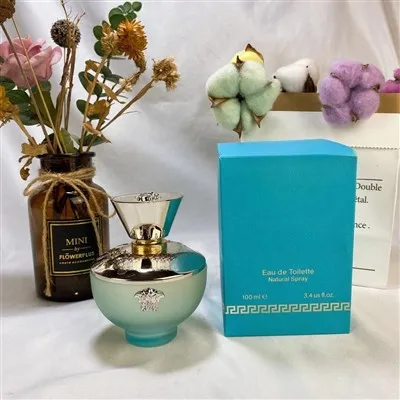
If you’re ready to source high-quality woody base notes, test blends, or discuss sustainable options for your next perfume line, we’re here to help. Get in touch with our team to start a conversation about your project.
Perfume for Men References
- Calkin, R. R., & Jelinck, J. S. (1994). Perfumery: Practice and Principles. John Wiley & Sons.
- Groom, N. (2016). The Perfumery Handbook: A Guide to Raw Materials and their Uses. Allured Publishing Corporation.
- Pino, J. A. (2018). Natural and Synthetic Fragrance Materials: Chemistry, Properties, and Applications. CRC Press.
- van der Werf, M., & van Renssen, E. (2020). Sustainable Sourcing of Natural Fragrance Materials: Challenges and Opportunities. Journal of Cleaner Production.
Chengdu Yiwan Commerce Co., Ltd.
We’re well-known as one of the leading woody perfume manufacturers and suppliers in China. With abundant experience, we warmly welcome you to wholesale high quality woody perfume in stock here from our factory. If you have any enquiry about custom service and OEM&ODM service, please feel free to email us.
Address: Room 2011, 20th Floor, Unit 1, Building 1, No. 18 Dongsi South 1st Road, High-Tech Zone, Chengdu, China
E-mail: wan@yiwan-store.com
WebSite: https://www.yiwan-store.com/
