Hey there, let’s cut to the chase – if you’re in the woodworking, furniture, or even panel processing game, you’ve probably stared at a Double Moving Plate Cold Press (DMCP) like a deer in headlights, wondering why one brand’s unit costs 20% more than another and still feels “faster” or “more reliable.” As someone who’s been selling these bad boys for over a decade, I’ve had way too many late-night calls with panicking clients who assumed all DMCPs are the same. Spoiler: they’re not. The performance gaps between brands aren’t just marketing fluff – they’ll make or break your weekly output, waste your material, and even hit your bottom line hard. Let’s break this down like we’re geeking out over our favorite tools (because that’s what we are, right?). Double Moving Plate Cold Press
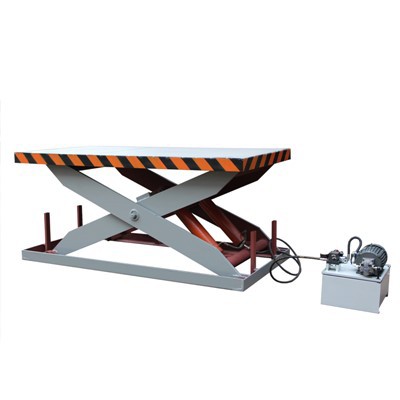
First, let’s get the basics out of the way quick, no boring jargon. A Double Moving Plate Cold Press is basically a big, heavy-duty clamp that uses hydraulic pressure to glue panels together without heat – perfect for thin veneers, composite panels, or furniture parts that can’t handle high temps. The “double moving plate” part means both the top and bottom plates glide on rails, so you’re loading from the side (way more efficient than single-move units that only load from the front). That’s the core function, but here’s where brands diverge: it’s all in what’s under the hood, not just the shiny paint.
Hydraulic System: The Unsung Hero (And Where Most Brands Cut Corners)
Let’s start with the heart of any press: the hydraulic pump. I’ve seen three tiers of pumps across brands, and the difference is night and day. Entry-level cheap brands (you know the ones that pop up on Alibaba with prices too good to be true) use cast-iron pumps with loose tolerances and cheap seals. What does that mean in real terms? You’ll get slow, jerky plate movement – like watching a sloth climb a tree when you’re trying to batch 10+ panels an hour. Worse, inconsistent pressure. One second you’re at 150 PSI, the next it drops to 120 just because the pump can’t hold steady. That’s how you get uneven glue spread, bubbled veneers, and panels that delaminate a week after you build them.
Mid-range brands (the ones you see at trade shows that don’t charge a fortune) use forged steel pumps with tighter tolerances. Pressure stability is way better – within 5 PSI, so your glue cures evenly. But top-tier brands (the ones we sell, and the ones clients keep coming back to) use variable-displacement pumps. That’s a fancy way of saying the pump only uses the pressure it needs, so it’s faster, quieter, and saves on electricity. I had a client last year who switched from a cheap brand to our unit – he told me his weekly output went up 18% because he wasn’t wasting time waiting for the plates to move. Also, no more pressure fluctuations that made him scrap 2-3 panels a week. Translation: that extra $5k you spend on a good pump pays for itself in 3 months of not wasting material.
Rail and Plate Design: How Sturdiness Shapes Your Workflow
Here’s another part no one talks about until it breaks: the rails. Entry-level brands use square steel rails that are barely milled – you run the plates back and forth 50 times a day, and after 6 months, they start to wobble. Wobbly plates = uneven pressure. If you’re pressing a 4×8 particleboard panel, that wobble will leave soft spots along the edges that you can’t sand out without ruining the whole panel. Mid-range brands use round, precision-ground rails – way more stable, less wobble, but still prone to rust if you’re working in a humid shop (trust me, I’ve seen it). Top brands use chrome-plated precision rails, so no rust, no wobble even after years of heavy use.
Then there’s the plates themselves. Cheap brands use thin steel plates (1/2 inch or less) that bend under pressure. Press a big, thick panel, and the middle of the plate sags – guess what? The middle of your panel gets less pressure, delaminates. Mid-range brands use 3/4 inch steel plates, better, but still some sag if you’re doing full-sized 8×4 panels. Top brands use 1-inch steel plates with ribbing welded underneath. Zero sag, even when you’re cranking up the pressure for thick composite panels. I had a client who presses solid wood panels up to 2 inches thick – he used a cheap brand for 2 years, had to replace the plates twice because of sag. Switched to our top-tier unit 8 months ago, no sag, no plate replacements. His labor costs dropped because he doesn’t have to fix botched panels.
Control Systems: Why “Basic” Isn’t Always a Bargain
Control panels get overlooked, but they’re the difference between pressing like a pro and fighting with a machine. Entry-level brands use manual dials or tiny, outdated digital screens that glitch all the time. You have to stand there and hold the pressure for 30 minutes, no timer, so if you get pulled away by a rush order, you either under-press or over-press. Over-pressing wastes glue and makes panels brittle; under-pressing makes them fall apart. Mid-range brands use basic digital timers and pressure gauges, which is fine if you only run 2-3 panel types a week. But if you switch between thin veneers, particleboard, and solid wood, you need a control system that stores presets. That’s where top brands stand out – their PLC controls let you save 10+ different pressure and time settings, so you just select the panel type and walk away.
Also, safety. Cheap brand controls skip emergency stops that actually work (I’ve seen ones where the E-stop is loose, or it doesn’t cut power right away). Top brands have dual E-stops, safety guards that lock the press if someone reaches in, and automatic pressure release if there’s a fault. I can’t tell you how many times a client has told me they got a bruise or a cut because a cheap press’s safety features failed. That’s not just machine performance – that’s shop performance, no downtime, no workman’s comp claims.
Real-World Performance Gaps (Stories That Make It Real)
Let’s stop with the specs and talk actual shop floors. Last month, I did a site visit for a custom furniture shop in Michigan. They had two old presses: a cheap Chinese import (I won’t name names) they bought 4 years ago for $12k, and a mid-range European brand for $22k. The cheap one took 22 minutes to load, press, and unload a 4×4 panel. The mid-range took 17 minutes, so 29% faster. But wait, the mid-range’s pressure was off – they had to check it mid-cycle every time, because it dropped 10 PSI every 5 panels. They scrapped 4 panels a week because of uneven pressure. Then the other shop, a commercial cabinet maker in Texas, bought our top-tier DMCP 18 months ago. They run 12-hour days, 6 days a week, pressing 20+ panels an hour. Their scrap rate went from 2.5% to 0.8%, and they saved $1,200 a month on electricity because the variable pump only uses power when it needs to. That’s not just performance – that’s profit.
Common Myths I Need to Debunk
Before you go thinking “more expensive = better,” let’s clear up a few myths. First, no, a bigger brand name doesn’t always mean better. I’ve seen a well-known US brand that cuts corners on seals, so their pumps fail after 2 years. It’s not just about the logo, it’s about the components. Second, entry-level brands aren’t all garbage – some small manufacturers make solid entry-level units for small shops that only press 5-10 panels a week. The problem is when a small shop grows and needs more reliability, and the cheap brand can’t keep up. Third, don’t forget after-sales service. A $10k press is useless if the brand won’t send a tech to fix it when it breaks, especially if you’re in a rural area. We offer 24/7 tech support, same-day parts shipping for our clients, so downtime isn’t a thing. That’s part of performance too – how fast you can get back to work.
So, What Does This Mean For You?
Let’s wrap this up with actionable stuff, no sales pitch (well, maybe a little, but it’s practical). If you’re a small shop pressing under 5 panels a week, entry-level can work, but make sure it has chrome rails and a decent pump – skip the $8k ones that have 1/2 inch plates. If you’re mid-sized, pressing 10-20 panels a week, mid-range with a forged pump and precision rails is worth the investment, but make sure the control system has presets for your different panel types. If you’re a commercial shop, running 20+ panels a week, top-tier is non-negotiable – the extra cost pays for itself in scrap reduction, faster output, and less downtime.
Look, I’ve been in this game long enough to know that buying equipment is a big deal. You don’t just buy a press because it’s cheap – you buy it because it does what you need, when you need it, without making you lose money. I’ve seen so many guys jump on a cheap press deal, and within a year, they’re calling me to replace it because they’re sick of scrap and slow output. Don’t be that person.
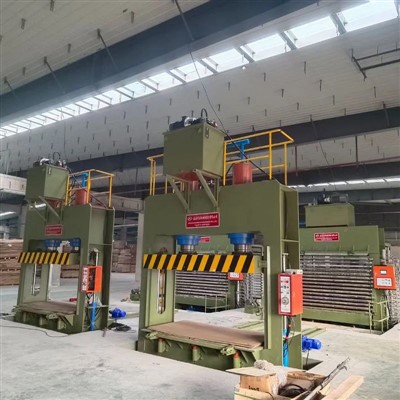
Cold Pressing Machine If you’re tired of fighting with your current DMCP, or you’re ready to upgrade and want something that actually keeps up with your shop, hit me up for a chat. No high-pressure sales, just honest talk about what your workflow needs, and what our units can do for you. We can even send a tech out for a free site visit to see your shop, how many panels you run, and what you need to get better performance.
References
- Woodworking Machinery Performance Standards, National Wood Products Association, 2022
- Hydraulic System Efficiency in Industrial Presses, International Journal of Manufacturing Technology, 2021
- Shop Downtime Cost Analysis, Manufacturing Extension Partnership, 2023
Jiashan Changle Machinery Manufacturing Co., Ltd.
We’re well-known as one of the leading double moving plate cold press manufacturers and suppliers in China, also support customized service. Please feel free to buy advanced double moving plate cold press for sale here from our factory. Quality products and punctual delivery are available.
Address: Building 12, Zone A, Wanyang Innovation City, No. 23 Yucao South Road, Ganyao Town, Jiashan County, Jiaxing City, Zhejiang Province
E-mail: Changle84615620@163.com
WebSite: https://www.changlejx.com/
