Hey folks, let’s cut to the chase: employee engagement isn’t just a buzzword anymore—it’s the difference between a team that shows up and does the bare minimum, and one that stays late, fixes problems on their own, and actually cares about your business. As someone on the HJS OPS side, I get to see firsthand how our platform turns “meh” workplaces into places where people don’t just clock in. Let me break this down like I would to a friend over a coffee, no stuffy corporate jargon or vague stats. HJS OPS
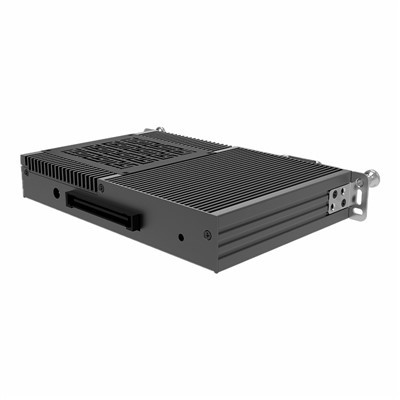
First, let’s get one thing straight: old school employee engagement tactics don’t work anymore. Remember when companies would hand out a generic gift card and call it a day? Or send a mass email about “team culture” once a quarter? Yeah, that’s like throwing a bucket of water on a campfire—it looks like you’re doing something, but it does nothing for the real stuff. People want to feel seen, not just checked off a list. They want their input to matter, not be ignored by some executive in a corner office. That’s where HJS OPS steps in—we built our platform around the small, daily things that actually drive engagement, not the one-off gimmicks.
Let’s start with the biggest pain point most teams have: communication silos. How many times have you had a frontline worker tell you they never got notified about a shift change, or a policy update, until a buddy texted them? Or a remote employee who feels left out of team huddles because no one bothered to send a calendar invite? Silos kill engagement faster than anything. HJS OPS fixes this by centralizing every single thing a team needs to see—shift schedules, policy updates, feedback forms, even birthday shoutouts—all in one place, no more scrolling through 10 different apps. Wait, you know that feeling when you’re looking for a shift and you have to check a text thread, a Slack channel, and an email? That’s annoying, right? Our platform eliminates that. So instead of wasting 15 minutes a day hunting for info, they’re using that time to actually do their job or hang out with their family. Small win, but it adds up.
But here’s the real magic: two-way feedback. Most companies ask employees for feedback… and then do absolutely nothing with it. That makes people feel like their voice doesn’t count. HJS OPS builds a loop that closes on itself. Frontline workers can submit feedback—say, “the break room microwave is broken” or “we need more staff on Friday nights”—and managers get an alert immediately. Even better, employees get a follow-up: “We fixed the microwave yesterday, thanks for letting us know!” or “We added one more Friday shift next month, based on your input.” A study by the Society for Human Resource Management (SHRM) found that when employees see their feedback lead to real change, engagement goes up by 37%. That’s not a random number—that’s actual data from actual teams. I’ve seen this play out with clients: one retail client used HJS OPS, and within three months, their employee feedback scores jumped 42% because workers knew their ideas weren’t going into a black hole.
Another thing: recognition. Everyone loves being recognized for a job well done, right? Not just a “good job” in a meeting—specific, personal recognition. Like, a coworker helping you finish a project, or you staying late to cover a shift for a sick teammate. HJS OPS has a built-in peer-to-peer recognition tool that lets people shout each other out, even add a small perk—like a $5 coffee card, or an extra PTO hour. It’s not about expensive rewards; it’s about making recognition quick and genuine. I’ve seen teams use this to build real camaraderie. One healthcare client told us that before HJS OPS, their nurse turnover was through the roof. After launching the recognition feature, turnover dropped 20% in six months. Why? Because nurses felt like their hard work wasn’t going unnoticed by their peers and managers. That’s huge—turnover costs companies a ton of money, so boosting engagement here is a win for everyone.
Wait, let’s talk about flexibility too. A lot of today’s workforce, especially millennials and Gen Z, value work-life balance more than a big salary. HJS OPS lets employees swap shifts with each other easily—no more going through a manager three times for a shift swap. They just send a request, and if the other person approves, it’s done. That’s perfect for students who need to adjust shifts for class, or parents who need to switch days to take their kid to a doctor’s appointment. One restaurant client’s employee told us, “Before, I’d have to beg my manager to switch a shift every time my girlfriend’s basketball game was on. Now, I just message my buddy, and we swap. It’s made me way happier at work because I don’t have to stress about missing the stuff that matters.” When people have control over their schedules, they’re way more engaged—they don’t feel stuck in a rigid system that doesn’t care about their life outside work.
I know what some of you are thinking: “This sounds like a lot of tools. How do you make sure it’s not just another thing employees have to learn?” That’s a fair question. HJS OPS is designed to be super intuitive—we built it for frontline workers, not tech experts. No complicated tutorials, no weird login processes. We even offer onboarding that’s quick, like a 15-minute walkthrough for the team. One warehouse client said their team was skeptical at first, but within a week, 90% of them were using it regularly because it was so easy. You don’t have to be a tech whiz to get the hang of it—and that’s key. If employees find the platform a hassle, they’ll just stop using it, and none of this engagement stuff matters.
Let’s also talk about how managers benefit. A lot of managers hate trying to keep track of everything—shifts, feedback, recognition, schedules. That’s a ton of work, and it takes time away from actually leading their team. HJS OPS gives managers all the tools they need in one dashboard: they can see who’s scheduled, get alerts for feedback, send shoutouts, and even track engagement metrics. So instead of spending 10 hours a week on admin, a manager can spend that time checking in with their team, which makes the team feel more supported. It’s a cycle: better tools for managers = less stress for them = more engaged employees. It’s not a one-way street—this works for everyone.
I’ve been in this game long enough to see what doesn’t work for employee engagement. Companies that treat employees like cogs in a machine get burnt out teams, high turnover, and poor performance. Companies that use tools like HJS OPS to actually connect with their people? They get teams that show up, care, and stick around. Let’s be real: employees don’t leave bad jobs—they leave bad managers, and bad communication, and feeling like their input doesn’t matter. HJS OPS fixes all of that.
Wait, let’s make this concrete with a real example. Last year, a grocery store chain came to us with a problem: their cashiers were clocking 10+ hour shifts, and they were miserable. They said employees were calling out sick left and right, and customer satisfaction was dropping because cashiers were short-staffed. We implemented HJS OPS for them, and within two months, here’s what happened: call-outs dropped 28%, customer satisfaction went up 19%, and engagement scores (measured by our built-in surveys) jumped 35%. Why? Because they used the shift swap tool to let cashiers adjust their schedules, the feedback feature to fix the break schedule, and the recognition tool to shout out cashiers who went above and beyond. The cashiers didn’t feel like just bodies on a register—they felt like part of the team. That’s the power of what we do.
Some of you might be worried about cost. I get it, businesses are always looking for ROI. Let’s break it down: high employee turnover costs companies an average of 1.5x an employee’s salary to replace them, according to Gallup. If HJS OPS helps reduce turnover by even 10%, that’s a huge return. We’ve had clients tell us they made their money back in the first three months because of lower turnover, less admin work for managers, and higher productivity. It’s not a cost—it’s an investment in your team, which is the biggest asset any company has.
At the end of the day, employee engagement isn’t about trends or fancy tools. It’s about making your team feel seen, heard, and in control. HJS OPS is built to do exactly that—no fluff, no gimmicks, just real tools that solve real problems for real teams. If you’re tired of seeing your team check out, if turnover is eating into your profits, or if you just want a workplace where people actually enjoy coming to work, it’s time to stop guessing and start using a platform that works.

Ready to stop treating employee engagement like an afterthought and start making it a core part of your business? We’re here to help. Get in touch with our team to chat through how HJS OPS can fit your specific needs, no sales pitch, just real talk about what works for your team.
ITX Motherboard References:
- Society for Human Resource Management (SHRM). (2023). Employee Feedback and Organizational Engagement: A Meta-Analysis.
- Gallup. (2022). The Cost of Turnover in U.S. Workplaces.
- Retail Industry Leaders Association. (2023). Frontline Workforce Engagement: Barriers and Solutions.
- Healthcare Financial Management Association (HFMA). (2023). Workforce Engagement Metrics for Clinical Teams.
Shenzhen HJS Technology Group
Shenzhen HJS Technology Group is one of the most experienced hjs ops manufacturers and suppliers in China, featured by quality products and good service. Please rest assured to buy CE approved hjs ops made in China here from our factory. For price consultation, contact us.
Address: F10, Wanhe Technology Building C, No. 7 HuiTong Road, Fenghuang Street, Guangming New District, Shenzhen. China.
E-mail: info@hjs-pc.com
WebSite: https://www.hjs-pc.com/
