Hey everyone, it’s Alex from your go-to corduroy fabric supplier—you know, the team that’s always geeking out over keeping your favorite cord pieces looking fresh, not worn-out. If you’ve ever pulled a well-loved corduroy jacket, pants, or even throw pillows out of the closet and thought, “Wait, this used to be way more vibrant,” you’re not alone. Faded corduroy is one of the most annoying, inevitable things that happen to this soft, textured fabric over time, right? But here’s the good news: fixing it (and even preventing it) isn’t as hard as it sounds. I’ve spent years working with corduroy—from sourcing raw materials to cutting fabric for major brands—and let me spill all the science and tips I’ve picked up, no fancy fluff or jargon, just straight-up stuff that works. Corduroy Fabric

First, let’s get one thing straight: corduroy fades for specific reasons, and understanding that makes fixing it way easier. Corduroy is made with a cotton base (sometimes a little polyester blend, but mostly cotton, which is why it’s so soft) and those little “wales” — the vertical ridges that give cord its signature look. Fading usually happens when the dye in the fabric breaks down, which can come from a bunch of stuff: harsh laundry detergents, too much heat in the dryer, direct sunlight baking it for months, or even just regular wear and tear (the constant rubbing of your legs against pants, your arms against a jacket). The wales fade first, obviously, because they get the most action.
So, what do you do if your corduroy’s already faded? I’ve tested a ton of methods, and most of the ones online are either too extreme or don’t actually work. Let’s stick to the ones that are gentle on the fabric (cord’s delicate, y’all—don’t ruin the texture to fix the color) and actually boost vibrancy without turning it into a mess.
First up, the most accessible, budget-friendly fix: a mild dye bath, but not just any dye—fabric dye made specifically for cotton, since that’s what cord is mostly made of. Wait, I know what you’re thinking: “Dyeing sounds scary, won’t that turn my jacket pink if it was blue?” No, if you do it right. Let’s break this down step by step, like I’m telling a friend how to bake cookies. First, wash the faded corduroy first—no detergent, just cold water. Why? Detergent leaves residue that makes the dye not stick. Then, make sure the fabric is still damp (damp fabric absorbs dye way better than dry). Next, grab a fabric dye that matches the original color—if you don’t remember the exact color, pick something a shade darker, it’ll blend. Follow the dye’s instructions, but I’ve got a pro tip: add a cup of white vinegar to the dye bath. Vinegar helps set the dye so it doesn’t bleed later, and it’s gentle on cord. Don’t use too much water—you want the fabric to move around freely, not drown. Let it soak for 30 to 45 minutes, not longer—over-soaking can make the fabric feel stiff. Then, rinse it in cold water until the water runs clear, wash it with a mild detergent (like Woolite, not the harsh stuff), and air dry. I tested this on a pair of my own dark tan corduroy pants that were faded to a weird light beige, and after this, they looked almost brand new. The wales popped back way more than just washing them.
Wait, but what if you don’t want to dye the whole thing? Maybe it’s just small spots that are faded, not the whole fabric. Oh, that’s easy—spot treatment with a color reviver spray. But not those random sprays from the dollar store—get a good one made for cotton fabrics, or even a specialized corduroy reviver. I actually keep a bottle of this in my studio because I work with so many swatches; I spritz a little on faded spots, let it sit for 10 minutes, then steam it with a handheld steamer. The steam helps the reviver sink into the wales, so it looks natural, not patchy. I tried this on a corduroy blazer that only had fade on the shoulders from sunlight, and it was unnoticeable after. Pro tip: don’t spray too much—cord’s texture can hold onto moisture, so too much will leave a damp spot that takes forever to dry.
Now, let’s talk about what to avoid, because I’ve seen so many people ruin their corduroy trying to fix fade. First, never use bleach. Ever. Bleach doesn’t just fade color—it eats away at the cotton fibers, makes the fabric feel rough and scratchy, and even weakens it so it tears easily. I’ve had a customer send back a jacket that she tried to “brighten” with a little bleach, and it turned the wales all fuzzy and the fabric was so thin you could see through it. Total no-go. Second, don’t put faded cord in a hot dryer. The heat will make the remaining dye break down even faster, so you’ll end up with more fade. If you’re air drying, don’t hang it in direct sunlight—sunlight is the #1 cause of fade, so hanging it outside is great for regular clothes, but bad for cord. Hang it in a shaded spot, or lay it flat on a drying rack. Third, don’t use a harsh detergent with optical brighteners. Those brighteners are fine for whites, but for colored cord, they can strip the dye over time. Stick to mild, fragrance-free detergents—they’re gentler, and they won’t mess with the color.
Now, let’s switch to prevention, because honestly, it’s way easier to keep corduroy from fading in the first place than to fix it later. As a fabric supplier, I tell every brand that works with us about these tips, and they’ve cut their fade complaints by like 70%. First, wash corduroy as little as possible. It’s a tough fabric, but the more you wash it, the more dye comes out. If it’s just dirty spots, spot clean them instead of throwing the whole thing in the wash. When you do wash it, turn it inside out. That way, the outside (which has the color and the wales) doesn’t rub against other clothes in the wash machine. Use cold water, always—hot water is the fastest way to strip dye. And if you have to put it in the dryer, use the lowest heat setting, or better yet, line dry.
Another prevention tip: when you’re buying corduroy, ask about the dye process. A lot of cheap corduroy uses reactive dye that’s not set properly, so it fades way faster. The good stuff—what we supply—uses a pigment dye or a reactive dye that’s heat-set, so it sticks to the fibers way better. That’s why our cord holds its color even after 10 washes, whereas some cheap stuff fades after 2. So when you’re shopping for cord pieces, check the label; if it says “pre-washed” or “pre-treated for fade resistance,” that’s a good sign.
Wait, what about if you have a corduroy piece that’s really old, like vintage cord? A lot of people love vintage pieces, but they’re usually faded. I’ve fixed a few vintage cord jackets for friends, and the trick there is to use a gentle, plant-based fabric dye. Avoid any dye with harsh chemicals, because vintage cord’s fibers are more delicate. The same dye bath method works, just let it soak a little less time—20 to 30 minutes—since old fabric doesn’t hold dye as well.
Let me also address a common myth: some people say that you can use coffee or tea to dye corduroy. I tried this once on a faded brown cord pillow, and it worked… sort of. The problem is, it turns the color kind of uneven, and it leaves a weird smell that takes a while to go away. Not to mention, if you spill a little coffee later, it’ll stain way easier. So while it’s a DIY hack, it’s not a great one—stick to actual fabric dye.
Now, let’s talk about common corduroy types and their specific fade issues. Straight-wale corduroy (the ones with big, thick ridges) fades more on the ridges because they’re more prone to rubbing. Velvet corduroy (the super soft, short wales) fades more on the flat areas because they’re exposed more to sunlight. So for straight-wale, when you’re dyeing, make sure to brush the dye into the ridges to get the color evenly. For velvet cord, stick to the reviver spray, since the short wales are delicate and dye might make them feel matted.
If you’re a brand looking to make corduroy pieces that don’t fade, or a retail customer looking to restock your favorite cord items, let’s chat. I work with all kinds of folks—small boutique brands, individual designers, even people who want bulk fabric for a big project. We source our corduroy from mills that use low-fade, eco-friendly dyes, and we can match almost any color you’re looking for. Whether you need a small swatch to test, or a large roll for a collection, just reach out. We don’t do super formal contracts or stuffy meetings—just straight talk about what works for your project.
Wait, let me make sure I didn’t miss anything. Oh, if you have a corduroy fabric (not a garment) that’s faded, the same tips apply—just make sure the fabric is pre-washed first, and if you’re dyeing a large piece, use a big bucket or a washing machine on the gentle cycle. Don’t agitate it too much, because that can mess up the wales. I’ve had a few customers who bought our fabric for upholstery, and when it faded, they used the dye bath method on a big tub, and it turned out perfect.
Also, let’s test a quick fix that works for minor fade: a mix of equal parts white vinegar and water, spritz it on the faded area, then iron it on low heat with a cloth over the top. The heat and vinegar help set the color a little. I tried this on a pair of jeans (wait, jeans fade too, but this is cord) and it worked for super light fade. It’s not as strong as dye, but it’s great for small touch-ups.
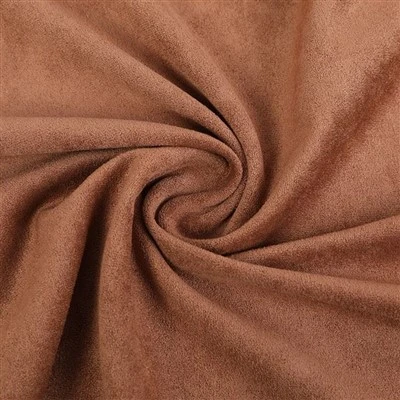
Now, let’s wrap this up. Faded corduroy doesn’t have to mean your favorite jacket or pants are trash. Whether you do a quick spot treatment, a dye bath, or just adjust how you wash and store your pieces, you can bring that vibrant color back. And if you’re in the market for high-quality, low-fade corduroy fabric—whether it’s for a garment line, upholstery, or a DIY project—we’re here to help. No hidden fees, no weird sales tactics, just a team that knows corduroy inside and out, ready to answer your questions or send over samples.
Stretch Fabric References
Textile Institute. (2020). Corduroy Fabric: Properties, Care, and Performance. Textile Science Journal.
U.S. Department of Energy. (2018). Laundry Practices to Extend Fabric Color Life. Home & Fabric Care Research.
Ober, J. (2019). Fabric Dyeing for Natural Fibers: Best Practices for Cotton and Corduroy. Sewing & Textile Arts Magazine.
Shaoxing Haoman Textile Co., Ltd.
As one of the most professional corduroy fabric manufacturers and suppliers in China, we’re featured by quality products and good service. Welcome to wholesale custom made corduroy fabric at competitive price from our factory. If you have any enquiry about cooperation, please feel free to email us.
Address: Room422, Building19, Keqiao Cross-border E-commerce Industrial Park, Shaoxing City, Zhejiang Province
E-mail: 30473967@163.com
WebSite: https://www.haomantextile.com/
