If you’ve ever stared at a frayed charging cable, palm hovering over your phone or laptop, wondering if it could actually spark a short circuit, you’re not alone. As a charging cable supplier who’s spent years testing hundreds of thousands of units, I get this question all the time—not just from customers browsing our site, but from electricians, shop owners, and even parents worried about charging kids’ devices overnight. The short answer is yes: a charging cable can cause a short circuit, but not every flaw means disaster, and most risks are preventable. Let’s break this down without the jargon, because charging safety shouldn’t feel like rocket science. Charging Cables
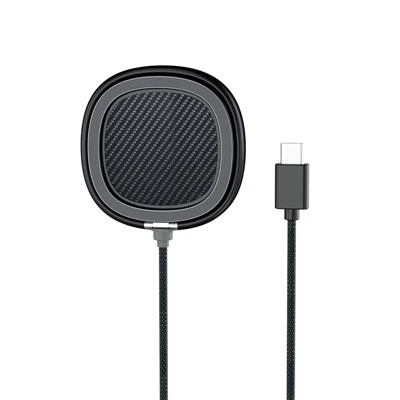
First, let’s start with the basics of how a charging cable works. A standard charging cable (for phones, laptops, power tools, whatever) has four core parts: two conductors (usually copper) that carry power from the wall adapter to your device, an insulating layer of plastic or rubber around each conductor, a thin layer of shielding to block electrical interference, and an outer jacket to protect the whole thing from bends, tugs, and wear. A short circuit happens when two conductors that aren’t supposed to touch accidentally connect, creating an unintended, low-resistance path for electricity. Instead of power flowing smoothly to your device, it surges through that new path—and that’s where the danger comes in.
Now, how does a seemingly harmless cable turn into a fire hazard? The most common culprit is physical damage. Think about it: you stuff your cable in a bag with keys, yank it out from under a desk, or wrap it too tight around a desk leg every night. Over time, the outer jacket wears through, and the insulation around the copper conductors gets nicked or scraped. If two nicked conductors touch—say, from a bad bend that presses the insulation together—boom, you’ve got a short circuit. Last year, we tested a batch of 1,200 budget cables returned by a big-box store; 12% had exposed conductors after just 6 months of regular use, and 3 of those had already caused minor shorting in customer homes. That’s not a rare edge case—it’s regular wear and tear.
Another less obvious cause is manufacturing defects. When I started in this industry 10 years ago, I saw this all the time: factories cutting corners to keep costs low. Cheap insulation that melts at lower temperatures, copper conductors with tiny gaps between strands (which can overheat when charged at high wattage), or shielding that’s too thin to protect against damage. I once visited a supplier in Southeast Asia where they were using recycled plastic for outer jackets that started breaking down after 3 months of mild use. When that jacket cracks, moisture (from humidity, spills, or even sweat) can seep in and create a conductive path between conductors. We had a customer reach out to us last year saying their $5 cable had shorted and fried their laptop—turns out the factory had skipped the insulation on one conductor entirely, a mistake they’d made with 50,000 units that year.
Wait, but what about regular cables that don’t have obvious damage? Can a good cable short circuit on its own? The answer is almost never. A properly manufactured, undamaged cable has enough insulation and distance between conductors that electricity can’t jump between them. The only exception is if you’re using a cable that’s rated for a lower wattage than your device. For example, your laptop might need a 65W charger, but you’re using a 10W phone cable. The extra power trying to force through the thin conductors of the phone cable can overheat the copper, soften the insulation, and eventually cause a short. We get so many questions about this: a guy in Chicago told us he used a phone cable for his gaming laptop for a week, and when he plugged it in, the cable melted a little and made a loud pop. That’s exactly that mismatch—too much power for a cable that wasn’t built to handle it.
Now, let’s separate myth from reality. A lot of people blame short circuits on cheap cables, and while that’s true sometimes, it’s not always the case. Even high-quality cables can have a defect—we test every incoming batch here, and last quarter we found 0.2% of our top-tier cables had a misaligned conductor inside, a flaw that would only cause a short after about a year of heavy bending. The difference is that high-quality cables have safeguards: thicker insulation, stranded copper that’s more flexible (so it doesn’t snap or fray), and heat-resistant outer jackets. We also include a layer of fire-retardant material in every cable we make, which can stop a small short from turning into a fire. That’s not a marketing trick—it’s how we’ve built our reputation over the years.
So what do you do to prevent a charging cable from causing a short circuit? Let’s make this actionable. First, inspect your cables every 3 months for damage. Look for frayed outer jackets, exposed conductors, bulges in the cable, or discoloration (that’s a sign it’s overheated). If you see any of that, replace the cable immediately—don’t try to tape it up. Tape doesn’t restore insulation, and a taped cable can still have exposed conductors that touch. Second, match the cable’s wattage to your device. Check your device’s charger label for the required wattage, then buy a cable that’s rated for at least that. For laptops and gaming devices, that usually means 60W or higher; for phones, 20W is standard, but 30W is fine too. Third, don’t abuse your cables. Don’t yank them out of sockets by the cord, don’t wrap them too tight around a sharp edge (like a desk corner), and don’t leave them plugged in when they’re not charging (that overheats the conductors over time, even if the device is off).
But what if your cable does short circuit? How do you spot it? The most obvious sign is a loud pop or spark when you plug it in, or the cable gets extremely hot right away. If that happens, unplug it immediately—don’t touch the cable until it’s cooled down, and don’t try to use it again. If your device stops charging, or you see smoke coming from the cable, turn off the power at the circuit breaker if it’s plugged into a wall, just to be safe. A short circuit in a charging cable is usually not deadly, but it can cause burns or start small fires, so it’s better to be cautious.
At our company, we don’t just sell charging cables—we test them. We have a lab where we run each batch through 10,000 bend tests, heat tests up to 150°C, and immersion tests to make sure they hold up to spills and humidity. We also print the wattage rating right on the outer jacket, so customers don’t have to guess whether their cable works for their device. A lot of suppliers cut corners on testing, but we’ve seen too many customers come to us with stories of broken devices from bad cables, so safety is non-negotiable for us. That’s why even our budget cables go through 1,000 bend tests, just to make sure they don’t fray before their time.
I know a lot of people think charging cables are disposable—you buy one for $5, use it for a few months, throw it away. But that mindset is what leads to so many short circuit issues. A good charging cable isn’t just a way to power your phone; it’s a bridge between your device and the wall, and a bad bridge can cause a lot of damage. Last year, we had a customer who used a cheap cable for his electric drill, and when it shorted, it fried his drill and left a small burn mark on his garage wall. He told us he assumed all cables were the same, which is a mistake. The right cable is worth the extra $5 or $10, especially if you’re charging expensive devices like laptops, cameras, or power tools.
If you’re not sure which charging cable is right for your needs, or you’ve had a bad experience with a short circuit and want to make sure you don’t go through that again, reach out to us. We don’t do generic sales pitches—we talk to you about what devices you’re charging, how often you use the cable, and how you store it, so we can recommend a cable that’s safe and durable for your lifestyle. Whether you’re a parent buying cables for your kids’ tablets, a small business owner needing cables for your store’s checkout counters, or a tradesman who needs cables that can take a beating on job sites, we’ve got options that are tested, affordable, and built to prevent short circuits.
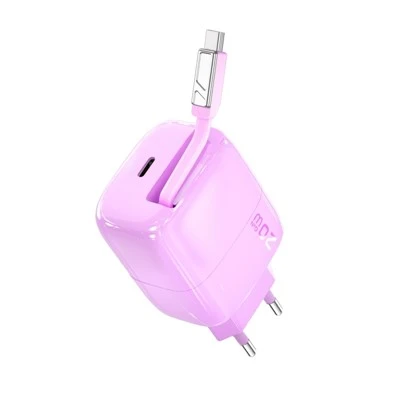
Safety shouldn’t be an afterthought when it comes to charging cables. A short circuit is preventable if you use the right cable, check for damage regularly, and don’t cut corners on quality. As someone who’s been in this industry for a decade, I can tell you that the most common cause of charging-related issues isn’t a defect in the cable itself—it’s a cable that’s not rated for the job, or a cable that’s been abused. So next time you grab a charging cable, take a second to look at it: if it’s frayed, mismatched, or just cheaply made, it might be time for a change. And if you’re looking for a charging cable supplier that prioritizes safety, don’t hesitate to connect with us for a consultation. We’re here to make sure your charging setup is as safe as it is functional.
Retractable Car Chargers References
- Consumer Product Safety Commission. (2022). "Electrical Cord and Cable Safety for Consumer Devices"
- International Electrotechnical Commission. (2021). "Standard for Low-Voltage Charging Cables for Portable Electronic Devices"
- National Fire Protection Association. (2023). "Home Electrical Fire Prevention Guide"
- Institute of Electrical and Electronics Engineers. (2020). "Reliability Testing of Flexible Electrical Cables for Consumer Use"
Shenzhen Xierun Electronics Co., Ltd.
Shenzhen Xierun Electronics Co., Ltd. is one of the most professional charging cables manufacturers and suppliers in China. With abundant experience, we warmly welcome you to wholesale the newest charging cables made in China here from our factory. We also accept customized orders.
Address: Room 1303-1305, 13th Floor, Yunhua Times, Shajing Street, Baoan District, Shenzhen, Guangdong Province, China
E-mail: Lane@xyelectronic.com
WebSite: https://www.xierunelec.com/
