If you’re here because you’re on the hunt for aluminium smart doors, and you’re probably scrolling enough stuff online to make your head spin – trust me, I get it. I’ve been in the game as an aluminium smart doors supplier for almost 10 years now, and I’ve lost count of how many people message me saying, “Is there even a difference between the ones that cost $500 and the ones that cost $2k?” Spoiler alert: yes, there is – and most of it has nothing to do with the pretty marketing photos. Let’s break this down like we’re chatting over coffee, no fancy jargon, no B.S. Aluminium Smart Doors
First off, let’s talk about the aluminium itself. A lot of people think all aluminium is the same, but that’s like saying all cars are just boxes with wheels. No. When we source aluminium for our doors, we don’t go for the cheap, thin stuff you’d find on a budget shed. We use 6063-T5 alloy, which is basically the sweet spot for residential use. Why? It’s strong enough to hold up to daily slams, weather, even a random bike leaning on it, but it’s not so heavy that you need two people to install it. I once had a guy come to me with a door he bought from a big box store – it was 2mm thick aluminium, and after six months, the frame started warping because of extreme summer heat in Arizona. He spent more fixing the warped frame than he would’ve on a decent door in the first place. If you’re in a place with big temp swings, heavy rain, or lots of wind, skip anything under 2.5mm thick. That’s non-negotiable in my book.
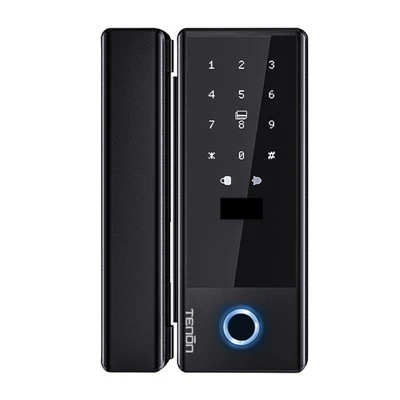
Next up: the smart part. This is what makes it “smart,” right? But a lot of “smart doors” out there are just regular doors with a cheap keypad tacked on, and that’s it. I’ve tested almost every smart feature on the market, and the ones that actually matter for a home are the ones that work reliably, not the ones that do 10 random things you’ll never use. Let’s stick to the essentials first. The lock is the big one. Do you need fingerprint access, app control, keypad, or maybe even voice control? Here’s the thing: if you have family members who hate fumbling with phones (looking at you, my parents who still ask how to turn on group chats), a fingerprint scanner is non-negotiable. But make sure it’s not the old, scratchy ones that only work 50% of the time if your fingers are even a little damp. We use scanners that recognize 10 different fingerprints, work in both hot and cold, and even if the power goes out, they still work with a manual key backup.
App control is great for when you’re at the grocery store and realize you forgot to lock the door – we’ve all been there. But don’t fall for the ones that require a subscription to work. That’s a cash grab, plain and simple. Our doors sync with your home Wi-Fi (no extra hardware needed, usually) and the app is free forever. I once had a customer complain that their door’s app started charging them $10 a month for remote access, and they just stopped using it. Save yourself that headache. Voice control is a bonus, not a must. If you have an Alexa or Google Home already, pairing it is easy, but if you don’t, don’t buy a door just for that. It’s not worth paying extra for a feature you’ll never use.
Then there’s the practical stuff that people forget to check until it’s too late. What about the seals? If your door’s not sealed properly, you’ll have cold air seeping in in winter, bugs getting in in summer, and rain leaking when it storms. The smart doors we sell have EPDM rubber seals – they’re the ones that hold up for years, don’t crack in the sun, and actually block drafts. I’ve had people tell me their old aluminium door had foam seals that crumbled after two years, and they had to replace the whole door just to fix the leak. Don’t let that happen. Also, check how the door operates. Is it a hinged door, sliding, or bifold? Sliding aluminium smart doors are super popular for back patios, but make sure the track is wide enough to not get jammed with dirt. Hinged doors are more secure, but if you have a small kid or a big pet, make sure the latch is childproof but still easy to use. We do custom sizes too, by the way – a lot of suppliers only do standard sizes, but if your entryway is a little wonky (like that 1950s house with the weird nook), we can adjust.
Security is another big one, and this is where aluminium smart doors really shine, but only if they’re done right. A lot of people think because it’s aluminium, it’s unbreakable. Not exactly – the frame is strong, but the lock is the weak point. We use grade 1 deadbolts and strike plates that screw into the frame, not just the drywall. I once had a customer show me a door he bought online – the strike plate was held on with two tiny screws. You could kick that door in like it was cardboard. That’s not a smart door, that’s a regular door with a fancy lock. Also, look for doors that have anti-pick pins in the lock. It’s a small detail, but it makes a huge difference. Burglars hate picking those, and it’s one less thing to stress about.
Wait, let’s talk about style too. Because let’s be real, your door is the first thing people see when they come to your house, and it should fit your vibe. Some people want a sleek, minimalistic door with no handles (that’s super popular for modern homes), some want a traditional door with a pull handle, some want sliding doors that open up to their backyard for entertaining. We do finishes too – matte black, silver, white, even wood-grain finishes that look like real wood but don’t warp or scratch like actual wood. I had a customer last month who wanted a door that matched their kitchen cabinets, and we made a custom wood-grain finish that looked exactly like the real oak they had. No sanding, no staining, just wipe it down with a cloth. Perfect.
Now, let’s get to the mistakes I see people making all the time, so you can avoid them. First, buying based solely on price. I get it, budgets are tight. But if you spend $300 on a door that breaks in a year, you’re actually spending $300 a year, whereas a $1,000 door will last 10 years, which is way better value. Second, not checking compatibility with your home’s existing setup. If you have a smart home system already – like Apple HomeKit – make sure the door works with it. A lot of doors only work with Alexa, and if you’re a Team Apple, that’s a problem. Third, ignoring installation. Even the best door in the world won’t work if it’s installed wrong. A lot of people try to save money and install it themselves, but aluminium doors are heavy, and if the frame isn’t level, it’ll stick, jam, or leak. We offer professional installation with every door we sell, and our guys have been doing this for years – they don’t leave a mess, they clean up after themselves, and they make sure the lock works perfectly before they leave.
Let me share a quick story to put this all in perspective. A guy named Mike reached out to me last year, panicking because he had a housewarming in two weeks. He’d bought a cheap aluminium smart door from a random online supplier, and when he tried to install it, the frame was 1cm too short. He’d already paid for the wrong size, and the supplier told him he’d have to pay another $200 to return it and wait another month. I hooked him up with a custom door we had in stock (we keep a few in different sizes for emergencies), our installers came the next day, and he had it in with time to spare for his party. Now he refers all his friends to me. That’s the stuff we’re here for – not just selling doors, but helping people when they’re stressed.
So, to wrap this up, here’s my quick checklist for picking the right aluminium smart door: 1. Aluminium thickness: at least 2.5mm, 6063-T5 alloy, no exceptions. 2. Smart features: stick to app control (free, no subscription), reliable fingerprint or keypad lock, optional voice control only if you want it. 3. Practical stuff: good EPDM seals, easy operation, fits your entryway size. 4. Security: grade 1 deadbolts, anti-pick pins, strike plates that go into the frame. 5. Style: finish that matches your home, handle type that works for your family. 6. Don’t forget: installation matters – go with a supplier that offers professional install, not just a box you put together yourself.
At the end of the day, your door is more than just a thing that keeps the weather out. It’s the first impression of your home, it’s how you lock up when you leave, it’s something you’ll use every single day. You don’t want to regret buying the cheapest one, or the one that has fancy features you never use. If you take this checklist and go into it with that, you’ll end up with a door that works for you, lasts for years, and doesn’t give you a single headache.

If you’re ready to chat through your options, or even send over a pic of your entryway so I can point you in the right direction, reach out. We can talk through sizes, finishes, features – no pressure, just straight answers. I’ve helped people in every type of home, from tiny apartments to big suburban houses, and I know there’s a perfect aluminium smart door out there for you.
Smart Door References:
- Aluminium Association. (2021). Residential Aluminium Door Specifications for Durability and Weather Resistance.
- National Institute of Building Sciences. (2022). Smart Home Security Device Standards for Residential Entry Doors.
- Window & Door Manufacturers Association. (2020). Guide to Selecting Aluminium Entry Doors for Long-Term Performance.
- Consumer Reports. (2023). Testing of Smart Locks and Door Systems for Reliability and Usability.
Guangdong Ap Tenon Sci. & Tech. Co., Ltd.
Guangdong Ap Tenon Sci. & Tech. Co., Ltd. is one of the most professional aluminium smart doors manufacturers and suppliers in China. With abundant experience, we warmly welcome you to wholesale advanced aluminium smart doors made in China here from our factory. Also, OEM service is available.
Address: No.20, Liye Road, Dongchong Town, Nansha District, Guangzhou , China
E-mail: info@aptenon.com
WebSite: https://www.tenondoorlock.com/
