Quick lime powder, chemically known as calcium oxide (CaO), has long been a significant ingredient in various industrial processes, including the realm of ceramics. As a dedicated quick lime powder supplier, I’ve witnessed firsthand how this versatile substance can transform the firing process of ceramics. In this blog, I’ll delve into the science behind it, its practical applications, and why it’s a game – changer for ceramic artisans and manufacturers. Quick Lime Powder
Understanding the Basics of the Ceramic Firing Process
Before exploring the influence of quick lime powder, it’s essential to grasp the fundamentals of ceramic firing. The firing process is a critical phase in ceramic production that involves subjecting ceramic materials to high temperatures. This is done to transform the raw, unfired clay into a hard, durable, and often waterproof product.
There are two primary types of ceramic firing: bisque firing and glaze firing. Bisque firing is the initial firing, which takes place at relatively lower temperatures (usually around 900 – 1100°C). This process removes any remaining moisture from the clay and begins to harden it. Glaze firing follows, where a layer of glaze is applied to the bisque – fired ceramic, and it is fired again at a higher temperature (ranging from 1200 – 1400°C depending on the type of clay and glaze).
How Quick Lime Powder Alters the Physical Properties of Clay
The addition of quick lime powder to clay can significantly impact its physical properties. Quick lime powder is highly reactive and undergoes a process called slaking when it comes into contact with water. During slaking, calcium oxide reacts with water to form calcium hydroxide (Ca(OH)₂).
In the context of ceramics, when quick lime powder is mixed with clay, it helps to improve the workability of the clay. The fine particles of calcium hydroxide act as a lubricant between the clay particles, making the clay easier to mold and shape. This enhanced workability is especially beneficial for complex ceramic designs that require intricate detailing.
Moreover, quick lime powder can also influence the plasticity of the clay. Plasticity refers to the ability of the clay to be deformed without cracking. The presence of calcium hydroxide from the slaked quick lime powder increases the bonds between the clay particles, providing a more cohesive structure. This results in a clay body that can withstand more stress during the shaping process without breaking.
Impact on the Firing Behavior of Ceramics
One of the most significant ways quick lime powder influences the firing process is by reducing the shrinkage of the ceramic body. During firing, clay undergoes a series of physical and chemical changes. As water is removed and the clay particles sinter together, the ceramic body typically shrinks. Excessive shrinkage can lead to cracking and warping of the final product.
Quick lime powder helps to counteract this shrinkage. When calcium hydroxide is heated during the firing process, it decomposes into calcium oxide and water vapor. The calcium oxide then reacts with the silica and alumina present in the clay to form calcium silicates and calcium aluminates. These new compounds have a lower density than the original clay components, which helps to offset the shrinkage caused by the loss of water and the sintering of the clay particles. As a result, the ceramic body experiences less shrinkage, leading to a more dimensional – stable final product.
In addition, quick lime powder can lower the melting point of the ceramic material. This is due to the formation of eutectic mixtures between the calcium compounds and the other components in the clay. A eutectic mixture is a combination of substances that has a lower melting point than any of its individual components. By reducing the melting point, the firing temperature can be decreased, which saves energy and reduces production costs.
Effects on the Glaze and Surface Quality
Quick lime powder also plays a crucial role in the glaze firing process. When added to the glaze formulation, it acts as a flux. A flux is a substance that lowers the melting point of the glaze and promotes the fusion of the glaze components. This results in a smoother, more uniform glaze surface.
The presence of quick lime powder in the glaze can also enhance the color development. Calcium compounds can react with other metal oxides in the glaze to produce unique and vibrant colors. For example, calcium can interact with iron oxide to create a range of earthy brown and red hues.
Furthermore, quick lime powder helps to improve the adhesion of the glaze to the ceramic body. The chemical reactions between the calcium hydroxide and the clay surface create a stronger bond, preventing the glaze from peeling or flaking off over time. This is particularly important for high – quality ceramics that are intended for long – term use.
Applications in Different Types of Ceramics
The influence of quick lime powder is not limited to a single type of ceramic. It finds applications in various ceramic industries, including tableware, sanitary ware, and art ceramics.
In tableware production, the dimensional stability and surface quality improvements provided by quick lime powder are highly desirable. Tableware needs to be both functional and aesthetically pleasing. The reduced shrinkage ensures that plates, bowls, and cups maintain their proper shape during firing, while the enhanced glaze quality results in a visually appealing finish.
Sanitary ware manufacturers also benefit from using quick lime powder. The high – strength and durability requirements of sanitary products such as toilets and sinks can be met more effectively with the addition of quick lime powder. It helps to improve the structural integrity of the ceramic body and provides a smooth, easy – to – clean glaze surface.
For art ceramics, quick lime powder allows artisans to experiment with unique textures, colors, and shapes. The improved workability of the clay and the enhanced glaze effects can bring their creative visions to life. Whether it’s a delicate sculpture or a hand – painted vase, quick lime powder offers new possibilities for artistic expression.
Why Choose Our Quick Lime Powder?
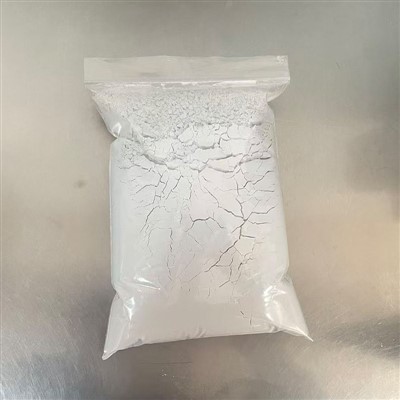
As a supplier, I take pride in offering high – quality quick lime powder that is specifically tailored to the needs of the ceramic industry. Our quick lime powder is sourced from the purest raw materials and undergoes strict quality control processes. This ensures that you receive a consistent product with optimal chemical composition and particle size distribution.
We also understand the importance of timely delivery. We have a well – established logistics network that allows us to get our quick lime powder to your production facility as quickly as possible. Our customer service team is always ready to assist you with any questions or concerns you may have regarding the use of our product.
Quick Lime Powder If you’re involved in the ceramic industry and are looking to enhance your firing process, improve your product quality, or reduce production costs, our quick lime powder could be the solution you’ve been searching for. We invite you to contact us to discuss your specific requirements and explore how our quick lime powder can be integrated into your ceramic production. We’re eager to start a partnership with you and help you achieve new heights in your ceramic manufacturing.
References
- Kingery, W. D., Bowen, H. K., & Uhlmann, D. R. (1976). Introduction to Ceramics. Wiley.
- Bucholz, R. W., & Glenn, G. J. (2013). Handbook of Clay Science. Elsevier.
- Pye, L. D., & Oakes, J. E. (1985). Manual of Ceramic Science and Technology. Van Nostrand Reinhold.
Chaohu Jirun Energy Conservation and Environmental Protection Technology Co., Ltd.
We’re well-known as one of the leading quick lime powder manufacturers and suppliers in China, also support customized service. Welcome to wholesale high quality quick lime powder in stock here from our factory. If you have any enquiry about pricelist, please feel free to email us.
Address: No. 9, north of the intersection of Weihai Road and Weili Avenue, within the industrial park of Yinping Town, Chaohu City, Hefei City, Anhui Province.
E-mail: 13305654485@163.com
WebSite: https://www.chaohujirun.com/
