Hey there! I’m a supplier of nanofiltration membranes, and today I wanna chat about the rejection rate of these awesome membranes for different substances. You know, nanofiltration membranes are pretty cool pieces of tech. They’re used in all sorts of industries, from water treatment to food and beverage processing. Nanofiltration Membrane

So, what exactly is the rejection rate? Well, it’s basically the percentage of a particular substance that the membrane can keep from passing through. A high rejection rate means the membrane is really good at blocking that substance, while a low one means more of it can get through.
Let’s start with salts. Salts are some of the most common substances that nanofiltration membranes deal with, especially in water treatment. Different salts have different rejection rates. For example, divalent salts like calcium chloride (CaCl₂) and magnesium sulfate (MgSO₄) usually have a pretty high rejection rate. My membranes can typically reject over 90% of these divalent salts. That’s because the pores in the nanofiltration membrane are sized in such a way that they can block the relatively large divalent ions.
On the other hand, monovalent salts like sodium chloride (NaCl) have a lower rejection rate. Usually, the rejection rate for NaCl can range from around 30% to 80%. It depends on a few factors, such as the membrane’s properties, the operating pressure, and the concentration of the salt in the solution. If the operating pressure is higher, the membrane can do a better job of rejecting the monovalent salts. And if the salt concentration is lower, the rejection rate might also go up.
Now, let’s talk about organic compounds. Organic compounds come in all shapes and sizes, and their rejection rates can vary widely. Small organic molecules, like some alcohols and simple sugars, might have a lower rejection rate. The membrane might not be able to block them as effectively because they can fit through the pores. But for larger organic molecules, like proteins and polysaccharides, the rejection rate is usually much higher. My nanofiltration membranes can often reject over 95% of proteins. This is super important in the food and biotechnology industries, where you might want to separate proteins from other substances in a solution.
Colloids and suspended solids also have high rejection rates. These are tiny particles that are suspended in a liquid. Nanofiltration membranes are great at blocking them because the particles are much larger than the pores in the membrane. So, if you’re dealing with water that has a lot of mud or other suspended stuff, nanofiltration can be a really effective way to clean it up.
Another group of substances that nanofiltration membranes interact with is heavy metals. Heavy metals like lead, mercury, and cadmium are really dangerous, and getting rid of them is crucial, especially in drinking water. Nanofiltration membranes can do a pretty good job of rejecting these heavy metals. The rejection rate for heavy metals can be quite high, often over 90%. This is because the heavy metal ions are usually relatively large and can be blocked by the membrane.
But it’s not all about the size of the substance. The charge of the substance also plays a role. Nanofiltration membranes can have a surface charge, either positive or negative. If a substance has a charge that’s opposite to the charge of the membrane, it’s more likely to be attracted to the membrane and get rejected. For example, if the membrane has a negative charge, positively charged ions will be more easily rejected.
There are also some factors that can affect the rejection rate over time. One of these factors is fouling. Fouling happens when substances start to stick to the membrane surface, which can clog the pores and reduce the membrane’s ability to reject substances. To prevent fouling, it’s important to do regular maintenance, like cleaning the membrane. My company offers some great cleaning solutions that can help keep the membranes in top shape.
Another factor is compaction. Over time, the pressure of the fluid passing through the membrane can cause it to compress a little bit. This can change the pore size and the rejection rate. So, it’s important to monitor the membrane’s performance and make adjustments if necessary.
In different industries, the required rejection rates for different substances can vary a lot. In the pharmaceutical industry, for example, they need really high rejection rates for impurities and contaminants because the purity of the products is super important. In the textile industry, they might be more concerned with removing dyes and other chemicals from the wastewater. And in the dairy industry, they use nanofiltration to concentrate milk and separate different components, so they need specific rejection rates for proteins, lactose, and minerals.
If you’re in an industry that could benefit from nanofiltration membranes, you’re probably wondering how to choose the right one. Well, you need to think about what substances you want to reject and what kind of rejection rate you need. You also need to consider the operating conditions, like the pressure and temperature. My team has a lot of experience in helping customers choose the right membranes for their specific needs.
We’ve got a wide range of nanofiltration membranes with different properties. Some are designed for high rejection of salts, while others are better at handling organic compounds. We can also customize the membranes to some extent to meet your unique requirements.
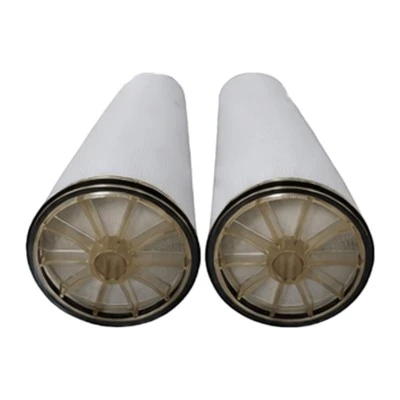
So, if you’re interested in improving your filtration process, getting cleaner water, or separating different substances more effectively, why not get in touch with us? We can have a chat about your needs, and I’m sure we can find the perfect nanofiltration membrane solution for you. Whether you’re a small business or a large corporation, we’re here to help. Just reach out to us, and let’s start a conversation about how nanofiltration can work for you.
Commercial RO System References
- Mulder, M. (1996). Basic Principles of Membrane Technology. Kluwer Academic Publishers.
- Cheryan, M. (1998). Ultrafiltration and Microfiltration Handbook. Technomic Publishing.
Fujian Huamo Technology Co., Ltd.
Fujian Huamo Technology Co., Ltd. is one of the most professional nanofiltration membrane manufacturers and suppliers in China, featured by quality products and good service. Please rest assured to wholesale the best nanofiltration membrane made in China here and get price list from our factory. Contact us for custom service and OEM service.
Address: No.6 Hengtong Rd, Shanmei Village, Xiamei Town, Nanan City, Fujian Province, China
E-mail: info@huaromembrane.com
WebSite: https://www.hmromembrane.com/
