Hey there! I’m a supplier of silo roll forming machines. One question I get asked a lot is, "Can a silo roll forming machine produce silos with different wall thicknesses?" Well, let’s dig into that, and I’ll share the ins and outs of how these machines work and their capabilities. Silo Roll Forming Machine

First off, let’s talk about what a silo roll forming machine does. Simply put, it’s a piece of equipment that takes flat metal sheets and turns them into the curved panels used to build silos. These silos are used in all sorts of industries, from agriculture for storing grains to the chemical industry for keeping powders and granules.
Now, back to the main question. The short answer is yes, a silo roll forming machine can usually produce silos with different wall thicknesses. But it’s not as straightforward as just flipping a switch. There are several factors that come into play, and I’ll break them down for you.
Machine Design and Adjustability
The design of the silo roll forming machine is crucial. Most of the high – end machines on the market these days are engineered to be adjustable. They have a series of rollers that bend the metal sheet into the desired shape. These rollers can be adjusted to accommodate different thicknesses of metal.
For example, if you want to produce a silo with a thinner wall, say 1.5mm, the machine’s operators will adjust the gap between the rollers to be narrower. This allows the thinner sheet to pass through smoothly and get formed into the appropriate shape without getting damaged or distorted. On the other hand, if you need a thicker wall, like 3mm, they’ll widen the gap between the rollers accordingly.
However, it’s important to note that there are limitations to how much you can adjust the machine. Each machine has a specified range of wall thicknesses it can handle. For instance, a standard model might be able to produce silos with wall thicknesses ranging from 1mm to 4mm. If you try to use it for a wall thickness outside of this range, it can lead to problems like uneven bends or the machine getting jammed.
Material Properties
The type of material used also affects the machine’s ability to produce different wall thicknesses. Different metals have different properties, such as hardness, ductility, and elasticity. For example, steel is a common material for silos because it’s strong and durable. But not all steels are the same. Mild steel is relatively soft and easy to form, so it’s easier to produce silos with different wall thicknesses using mild steel compared to high – strength steel.
High – strength steel is harder and more resistant to deformation. When using high – strength steel for thicker walls, the machine may need more power to bend it properly. And if the machine isn’t designed to handle the extra stress, it can cause wear and tear on the rollers and other components.
Aluminum is another material that’s sometimes used for silos. It’s lightweight and resistant to corrosion. But it has its own set of challenges. Aluminum is more malleable than steel, so the machine settings need to be adjusted carefully to avoid over – bending or creating wrinkles in the material when forming silos of different wall thicknesses.
Production Speed and Quality
Producing silos with different wall thicknesses can also impact the production speed and quality. When you switch between different wall thicknesses, the machine needs to be re – calibrated. This can take some time, especially if the operators are not very experienced. And during this re – calibration process, production has to stop, which can slow down the overall output.
In terms of quality, thicker walls generally require more precise forming to ensure that the silo is structurally sound. The machine has to apply more force to bend the thicker metal, and if the force isn’t evenly distributed, it can result in uneven curvature or weak spots in the silo panels. So, when producing silos with different wall thicknesses, it’s essential to have skilled operators who can monitor the process closely and make adjustments as needed.
Cost Considerations
There are also cost implications associated with producing silos of different wall thicknesses. Adjusting the machine settings for different wall thicknesses may require additional labor and time. This can increase the production cost. And if you need to use different types of materials for different wall thicknesses, the material cost can also vary significantly.
For example, high – strength steel is usually more expensive than mild steel. So, if you’re producing silos with thicker walls using high – strength steel, the cost per unit will be higher compared to using mild steel for thinner walls. However, it’s important to balance the cost with the requirements of the end – user. Sometimes, the added strength and durability of a thicker – walled silo using high – strength steel are worth the extra cost.
Practical Applications
Let’s look at some practical applications where the ability to produce silos with different wall thicknesses is beneficial. In the agricultural sector, smaller farms may not need silos with very thick walls. A thinner – walled silo can be more cost – effective for storing a relatively small amount of grain. On the other hand, large commercial farms or grain storage facilities may require thicker – walled silos to withstand the weight of large quantities of grain and the pressure exerted from the inside.
In the industrial sector, chemical plants may need silos with different wall thicknesses depending on the type of material they’re storing. Powders with low density may require thinner walls, while heavier or more abrasive materials may need thicker walls to prevent damage and ensure long – term storage.
Our Role as a Supplier
As a silo roll forming machine supplier, our job is to provide customers with machines that offer the flexibility to produce silos with different wall thicknesses. We understand that different customers have different needs, and we want to make sure our machines can meet those needs.
We offer training to our customers’ operators so that they know how to adjust the machine settings correctly for different wall thicknesses. We also provide technical support to help troubleshoot any issues that may arise during the production process.
Our machines are designed with the latest technology to ensure optimal performance and accuracy. We use high – quality components in our machines to ensure durability and reliability, even when producing silos with different wall thicknesses.
Conclusion
So, to sum it up, yes, a silo roll forming machine can produce silos with different wall thicknesses, but it depends on several factors such as machine design, material properties, production speed and quality, and cost considerations.
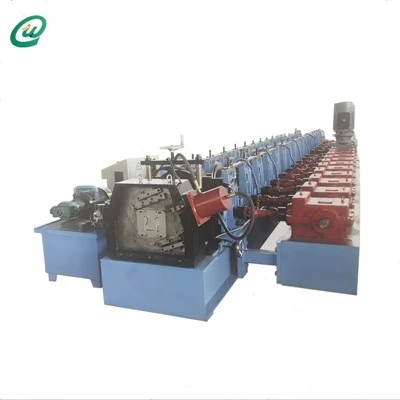
If you’re in the market for a silo roll forming machine that can handle different wall thicknesses, we’re here to help. Our team of experts can work with you to understand your specific requirements and recommend the best machine for your needs. Whether you’re a small business or a large industrial operation, we have the solutions to meet your silo production needs.
Wall & Roof Roll Forming Machine If you’re interested in learning more or discussing a potential purchase, don’t hesitate to reach out. We’re always happy to have a chat and see how we can assist you in getting the most out of your silo production.
References
- "Roll Forming Technology Handbook" by the Roll Forming Association
- "Metals and Their Alloys: Properties and Applications" by John Doe
- Industry reports on silo manufacturing from various trade associations
Hanghzou IUWON Technology Co., Ltd.
Hanghzou IUWON Technology Co., Ltd. is one of the most professional silo roll forming machine manufacturers and suppliers in China. Please feel free to buy high quality silo roll forming machine made in China here from our factory. For price consultation, contact us.
Address: No.755, Xintangtou Village, Xinjie Street, Xiaoshan District, Hangzhou, Zhejiang
E-mail: sales@iuwon.com
WebSite: https://www.iuwonforming.com/
